Home/Sample day plans for different travel styles
Family enjoying a mountain viewpoint in British Columbia
Practical itineraries

Sample day plans for different travel styles

The right itinerary depends on pace, mobility, children, weather and what your group actually wants to remember at the end of the day.

Reviewed September 2026

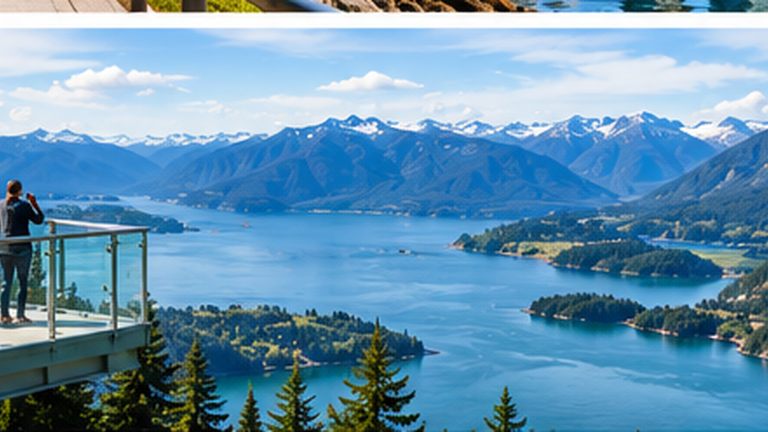
Scenic Howe Sound viewpoint suited to a flexible day plan
Use these as starting points

Sample days should reflect the travellers, not only the attractions

The same Vancouver–Whistler corridor feels very different for a family with young children, a couple celebrating an anniversary, active travellers or older guests who prefer shorter walks and more time seated.

F

Family: 10-hour summer day

8:00 Vancouver pickup → 9:15 Britannia Mine Museum → 11:15 Shannon Falls → lunch in Squamish → 13:45 Brandywine Falls → 14:45–17:00 Whistler Village → return. Skip the gondola unless the children specifically want it; one major ticketed attraction is usually enough.

C

Couple: 11-hour scenic day

8:30 Vancouver → Shannon Falls → 10:15–12:15 Sea to Sky Gondola → scenic lunch → Brandywine Falls → 14:45–17:45 Whistler Village with time for a relaxed meal → Vancouver. Protect the Village time instead of chasing every viewpoint.

S

Senior-friendly: 9–10 hours

8:30 Vancouver → Britannia Mine Museum at a comfortable pace → Shannon Falls only if walking conditions suit the group → lunch in Squamish → Whistler Village with frequent seated breaks → direct return. Avoid building the day around multiple parking lots and repeated vehicle entries.

A

Adventure-focused: full day

Choose one active anchor such as a longer gondola visit or Squamish hike, then make the rest of the route simple. Outdoor travellers usually enjoy the day more when they spend three hours doing one thing properly instead of collecting five quick stops.

Different pace, different decisions

How to adapt the day without rebuilding it from scratch

Travelling with children

  • Limit long attraction blocks
  • Plan food before hunger becomes the itinerary
  • Keep one stop expendable
  • Confirm child-seat needs before private transportation is booked

Couples

  • Leave room for a long lunch or early dinner
  • Use fewer stops and more time in each
  • Consider a later return if evening plans allow
  • Do not make every scenic viewpoint mandatory

Older travellers

  • Check walking surfaces and weather
  • Prioritize attractions with easy access
  • Build in washroom and seated breaks
  • Avoid overly ambitious hotel pickup-to-return windows

Photography / outdoors

  • Follow light and visibility rather than a rigid order
  • Protect one long landscape block
  • Use waterfalls as optional additions
  • Check trail and park advisories before departure
For Whistler stays

Sample non-ski winter day

AM

Slow Village breakfast + sightseeing

Start without rushing. If sightseeing lifts are operating and visibility is good, use the mountain as the morning anchor.

PM

Culture, spa or snow activity

Choose one reserved activity rather than two. Mixed groups can split for a few hours and reconnect for dinner.

PM

Village evening

Finish with Olympic Plaza, a restaurant reservation or an evening experience instead of adding another transfer.

Vancouver-only alternatives

Not every day needs the highway

V

First Vancouver day

Morning Stanley Park or waterfront walk → lunch near the neighbourhood you want to explore → afternoon Granville Island or museum time → dinner close to the hotel. Keep arrival day geographically compact.

R

Rain-heavy Vancouver day

Choose one indoor anchor, add covered market or neighbourhood time, and save the seawall or viewpoints for the best weather window rather than cancelling the whole day.

W

Whistler summer day

Morning mountain sightseeing or a major outdoor activity → relaxed Village lunch → lake, cultural attraction or easy Valley Trail time → dinner. Do not book a full-day activity and then expect to “see Whistler” afterward.

N

Whistler non-ski winter day

Village breakfast → sightseeing or snow activity → long lunch or spa → culture / shopping → evening Village. One booked activity is enough to give the day structure.

How to personalize a sample

Change the clock before changing the destination

If a schedule feels too full, the first correction is usually not a different attraction. It is fewer transitions. Give a child an extra 30 minutes for lunch, give an older traveller a seated break, or give a couple an unscheduled hour in Whistler Village. Those changes usually improve the day more than adding another viewpoint.

For private tours, tell the chauffeur which stop is essential and which is optional. For self-drive trips, make the same decision before leaving the hotel. For coaches, accept that the itinerary is fixed and choose the tour whose included stops already match your priorities.

Should we plan to the minute?

No. Use times as guardrails. Highway conditions, parking, attraction queues, meals and the group’s pace make minute-by-minute planning unrealistic.

How much unscheduled time should a seven-day trip have?

At least a half day is useful, especially in shoulder seasons or winter when weather can change the best activity choice.

What is the most common day-trip mistake?

Trying to include every famous stop on the Sea-to-Sky corridor while also expecting several relaxed hours in Whistler. Pick the priority and make the other stops support it.

Verify before you go

Official sources for changing details

Hours, access, reservations, road conditions and operating details can change. Confirm the parts of your plan that depend on current conditions before leaving.