

Start here
How many days do you really need?
A useful trip starts with the number of nights, not a list of attractions. Compare 3, 5, 7 and 10-day versions.
Plan trip length →
A premium, decision-first guide to the city, the mountains and the spectacular road between them. Build the right route, choose the right base and know what to verify before you go.
No booking engine. No directory clutter. Trip-planning guidance first, with commercial relationships disclosed where relevant.
Reviewed September 2026
Choose your nights, season, travel style and main priority. Get a practical Vancouver / Squamish / Whistler starting split, then refine the details.
A useful trip starts with the number of nights, not a list of attractions. Compare 3, 5, 7 and 10-day versions.
Plan trip length →
Downtown convenience, North Shore access, Squamish adventure or Whistler Village walkability all solve different problems.
Compare places to stay →Driving is only one option. Compare scheduled coach, rental car and private transfer trade-offs before you book around them.
Compare Vancouver–Whistler travel →Highway 99 follows Howe Sound before climbing through Squamish toward the Coast Mountains. The most satisfying itineraries leave room for viewpoints, waterfalls and a proper stop rather than racing straight to the resort.
Read the guideThe common mistake is trying to see Vancouver in a day, drive north late, ski or hike immediately, then rush back to the airport. The corridor rewards a slower rhythm.
For a one-week visit, spend the first few nights in Vancouver, make the Sea-to-Sky drive part of the experience, and finish with several nights in Whistler. Squamish works as either a substantial route stop or its own base for climbing, hiking, biking and fjord scenery.
If you only have three days, choose a priority. A city-heavy trip and a mountain-heavy trip can both be excellent; trying to do both at full depth usually creates more windshield time than memorable time.

Plan around snow, shorter daylight, ski traffic and winter driving requirements. Vancouver still works well for restaurants, museums and low-elevation exploring.
Plan Whistler winter →
City gardens and waterfronts can feel fully springlike while higher elevations remain snowy. Check alpine operating dates rather than assuming summer access.
Explore
The broadest mix of hiking, biking, lakes, patios and scenic stops. Popular trailheads and accommodation can become the constraint, not daylight.
ExploreLower crowds can be attractive, but shoulder-season maintenance and weather can close or reduce some mountain experiences.
ExploreStart with neighbourhoods, waterfront, food and easy transit. A car is often unnecessary while you are based downtown.
Leave the city, cross toward West Vancouver and begin the coastal section. This is where the trip starts to feel distinctly Sea-to-Sky.
The natural midpoint and a destination in its own right. Use it for Shannon Falls, the gondola, climbing culture, trails and a proper meal stop.
A pedestrian-friendly resort base for mountain days, lakes, culture and dining. Once parked, many visitors barely need their vehicle.
Usually not for a downtown Vancouver stay. Transit, walking and water taxis cover many visitor areas. A car becomes more useful if your trip is built around Sea-to-Sky stops, trailheads or side trips.
No. Summer brings mountain biking, alpine sightseeing, hiking, lakes and long daylight. The shoulder seasons can be quieter but require more checking because some mountain operations change.
If your schedule allows, stop. Even a short break changes the route from a transfer into a scenic travel day. A half day or overnight lets you experience the area rather than just refuel.
Yes. YVR lists direct scheduled Whistler coach service, and private transfers and rental cars are alternatives. Your best choice depends on arrival time, luggage, group size and how much flexibility you want.
Check on the day of travel, not just when you build the itinerary. Highway conditions and incidents can change quickly, particularly in winter or during major events.
A realistic sightseeing day with Britannia Mine, Shannon Falls, Sea to Sky Gondola, Brandywine Falls and Whistler timing.
Build the day tour →Compare Vancouver neighbourhoods and Whistler Village, Upper Village and Creekside before booking accommodation.
Vancouver areas →Use planning guides built around pacing, weather and reservations rather than generic attraction lists.
Family planner →Hours, fares, road conditions, park access and seasonal operations can change. These are the sources we use for trip-planning checks.
Use attraction-level guides, sample day schedules and cruise or non-ski extensions when the standard itinerary is not enough.

Build an 8–12 hour Vancouver-to-Whistler day around the stops that matter most.
Plan the route →
Family, couple, senior and adventure-focused schedules with realistic pacing.
Choose a pace →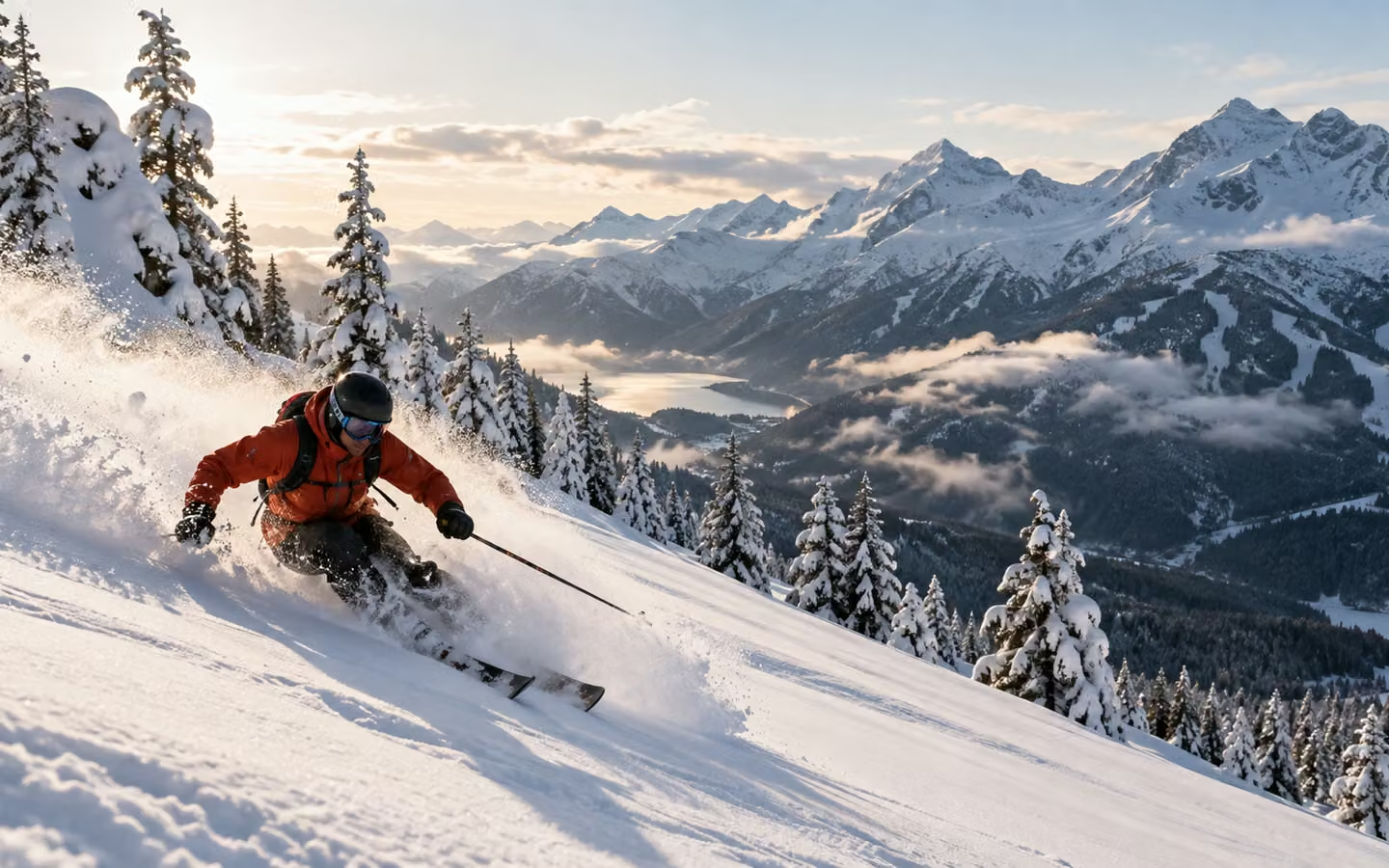
Sightseeing, culture, snow activities and Village planning without downhill skiing.
Plan winter →
Add the mountains before or after a Vancouver sailing without risking the ship schedule.
Plan the extension →